Strength Training for Women: 10 Myths That Hold You Back
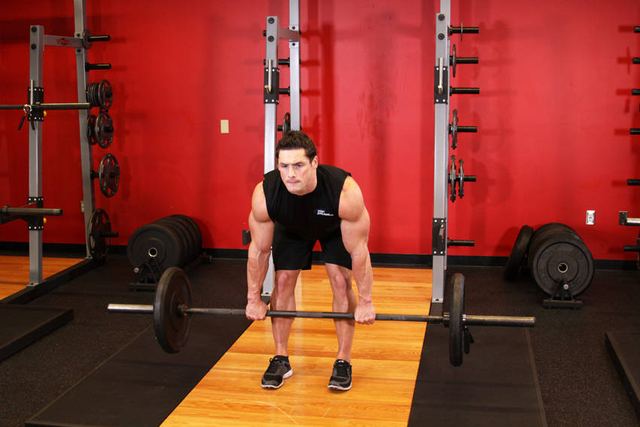
More women lift weights today than ever before, yet old myths still keep many away from the weights area. Here are the ten we hear most often, what the science actually says, and how to get started with confidence.
Myth 1: "Lifting weights will make me bulky"
This is the most common fear, and it is not supported by the science. Building large muscles requires years of hard, specific training, a consistent calorie surplus and high levels of testosterone. Women typically have about 15–20 times less testosterone than men. Female bodybuilders with very muscular physiques have usually trained for many years with a specific goal, and some use performance-enhancing drugs.
What strength training does for most women is build a moderate amount of firm muscle and, combined with a sensible diet, reduce body fat. The result is what most people describe as a "toned" look: shape and definition rather than size.
Myth 2: "Light weights and high reps are for toning, heavy weights are for bulking"
"Toning" is not a separate process. Looking toned simply means having some muscle and low enough body fat to see its shape. Both light and heavy weights can build muscle if sets are taken close to failure, but challenging loads are more time-efficient and build more strength. Lifting 2 lb dumbbells for 50 easy reps does very little. Choose weights that make the last 2–3 reps of each set feel genuinely hard.
Myth 3: "Cardio is better for weight loss, so I'll skip weights"
Cardio burns calories and is great for your heart, but weights are what protect muscle while you diet. Without strength training, a meaningful share of the weight you lose can be muscle, which can leave you smaller but still soft, and with a slightly lower metabolism. The best approach combines both. See our comparison of cardio vs weights for fat loss.
Myth 4: "Women should train differently from men"
Muscle tissue works the same way in men and women. Women benefit from the same basic exercises: squats, deadlifts, presses, rows, lunges and pull-ups. Research suggests women may recover slightly faster between sets and handle somewhat more volume. What may differ are goals and preferences, for example more glute and lower-body work. That is why our women's programs use the same principles as the men's but with different emphasis.
Myth 5: "You can spot-reduce fat from your arms or thighs"
Doing triceps kickbacks will strengthen your triceps, but it will not burn the fat on the back of your arm specifically. Fat loss happens across the whole body when you are in a calorie deficit. Train the whole body and manage your nutrition, and areas like the arms and thighs will change over time.
Myth 6: "Lifting is dangerous for women's joints and backs"
Properly performed strength training has a lower injury rate than many popular sports. It strengthens muscles, tendons, ligaments and bones, which actually protects your joints and back. The key is learning good technique, starting with manageable weights and progressing gradually. If you have an existing injury, work with a physical therapist.
Myth 7: "Weights are bad during pregnancy"
For women with a healthy, uncomplicated pregnancy, major obstetric organizations such as the American College of Obstetricians and Gynecologists encourage regular physical activity, which can include strength training with appropriate modifications. However, every pregnancy is different. Always follow the advice of your doctor or midwife, avoid lying flat on your back for long periods later in pregnancy, avoid exercises with a risk of falling or abdominal impact, and stop if you notice warning signs such as bleeding, dizziness or pain.
Myth 8: "I'm too old to start"
Strength training becomes more important with age, not less. Around menopause, falling estrogen speeds up bone loss. Resistance training is one of the most effective ways to maintain or even improve bone density and muscle mass, reducing the risk of osteoporosis and falls. Women in their 60s, 70s and 80s gain strength in studies. Read our guide to starting after 40.
Myth 9: "Muscle turns into fat if you stop training"
Muscle and fat are different tissues; one cannot turn into the other. If you stop training, muscle slowly shrinks, and if you keep eating the same amount while moving less, you may gain fat. It may look like muscle "turned into" fat, but they are two separate processes. The good news: muscle comes back faster when you restart, thanks to "muscle memory".
Myth 10: "I need to eat very little to see definition"
Extreme dieting makes it harder to build muscle, drains energy and is hard to sustain. Women who lift need enough protein (about 1.6–2.2 g per kg of body weight per day) and enough total energy. A moderate deficit works for fat loss; maintenance or a small surplus works best for building curves and strength. Our maintenance and lean muscle meal plans for women show what that looks like in real food.
The real benefits of strength training for women
- A stronger, firmer, more defined body shape
- Stronger bones and lower risk of osteoporosis
- Better posture and less back pain
- Improved blood-sugar control and heart health
- Easier weight management
- Better mood, confidence and sleep
- More strength for daily life: carrying children, groceries and luggage with ease
How to start
- Pick a structured program. Try the women's beginner home workout (no equipment) or the beginner gym plan.
- Learn the key movements: squat, hip hinge, bridge, lunge, push and pull.
- Train 2–4 times per week and add weight or reps gradually.
- Eat enough protein and do not crash diet.
- Track your progress with strength numbers, photos and measurements, not just the scale.
A simple first program for women
Train two or three non-consecutive days per week, alternating these two workouts:
Workout A
- Goblet squat – 3 × 10–12
- Incline push-up – 3 × 8–12
- Dumbbell row – 3 × 10–12 per arm
- Glute bridge – 3 × 15
- Dead bug – 3 × 8 per side
Workout B
- Dumbbell Romanian deadlift – 3 × 10–12
- Dumbbell shoulder press – 3 × 10
- Reverse lunge – 3 × 8–10 per leg
- Lat pulldown or inverted row – 3 × 10
- Plank – 3 × 30 sec
How heavy should you go?
A common mistake is choosing weights that are far too light. Use this test: pick a weight for your target rep range, for example 10 reps. If you could have done 15 or more, it is too light. If you could only do 6, it is too heavy. The right weight leaves you with about 2–3 reps in reserve at the end of the set. As a very rough starting point, many beginner women use 10–20 lb (4.5–9 kg) dumbbells for goblet squats and Romanian deadlifts, and 5–15 lb (2–7 kg) for shoulder presses and rows, but individual strength varies a lot.
Training around your menstrual cycle
Some women notice changes in energy, strength and motivation at different phases of their cycle. Research findings on performance across the cycle are mixed and individual differences are large. The practical approach is to train consistently and adjust based on how you feel: on low-energy days, reduce weights or sets rather than skipping completely. If your periods become irregular or stop while training and dieting, talk to a doctor, as this can signal low energy availability.
Building confidence in the weights area
- Start with dumbbells and machines, then try barbell exercises when you feel ready.
- Train at quieter times while you learn.
- Follow a written plan so you always know your next exercise.
- Remember that most people in the gym are focused on themselves.
- Celebrate strength milestones: your first unassisted pull-up, a body-weight hip thrust, or your first 10 push-ups on the floor.
Nutrition basics for women who lift
Eat protein with every meal, aim for about 1.6–2.2 g per kg of body weight per day, include carbohydrates around training for energy, and do not fear healthy fats. Iron, calcium and vitamin D deserve special attention: iron needs are higher for menstruating women, and calcium and vitamin D support bone health. Use our macro calculator for personalized numbers.
The bottom line
Strength training will not make you bulky. It will make you stronger, healthier and more confident, and it will give you the defined shape most women are looking for. Leave the myths behind, pick up the weights, and give it 12 weeks.
Frequently asked questions
How often should women lift weights?
Two to four sessions per week is ideal for most women.
What weight should a beginner woman lift?
A weight where the last 2–3 reps of each set feel challenging but your form stays good. This varies by exercise.
Can lifting weights help with cellulite?
Building muscle and reducing body fat can improve the appearance of cellulite, though it may not disappear completely, as it is also influenced by genetics and skin structure.
Is it OK to lift during my period?
Yes, if you feel well. Adjust intensity based on your energy level.
Disclaimer: This article is for general education and is not medical advice. Consult a doctor or qualified professional before making major changes to your exercise or diet, especially if you have a health condition.
Keep reading
How to Lose Belly Fat: A Science-Based Guide for Men and Women
Why belly fat is stubborn, why crunches alone will not burn it, and the exact nutrition, training, sleep and stress habits that actually shrink your waist.
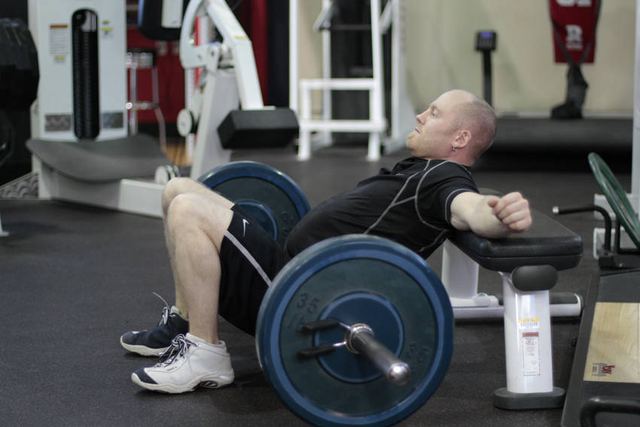
The 12 Best Glute Exercises for Women (Home & Gym) + Sample Workouts
The most effective glute exercises for women, explained: hip thrusts, RDLs, split squats, abduction and more, plus how to program them for stronger, rounder glutes.
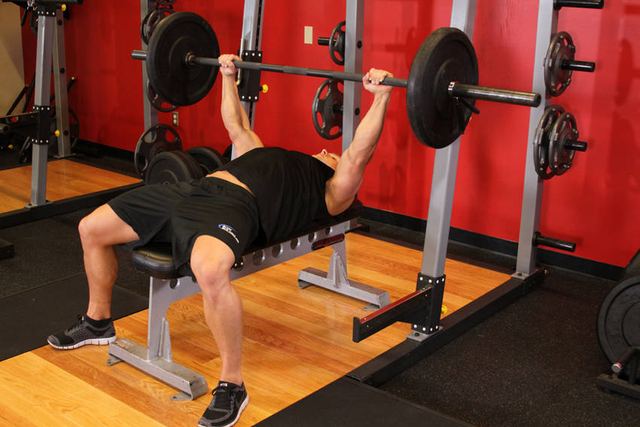
How to Build Muscle: The Complete Beginner's Guide (2026)
Everything a beginner needs to build muscle: training volume, reps, progressive overload, protein, calories, sleep and a simple first program.