Dead Bug: How to Do It, Muscles Worked & Benefits
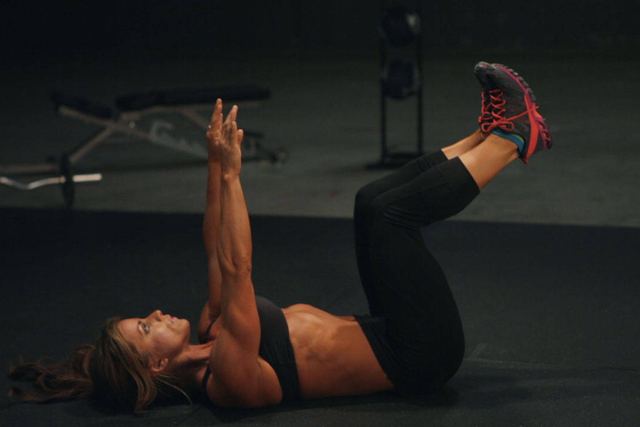
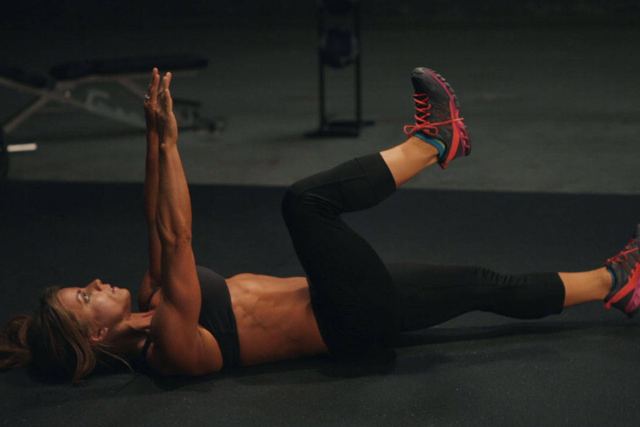 Animated demo
The dead bug is a core stability exercise in which you lie on your back and slowly extend opposite arm and leg while keeping your lower back glued to the floor. Physiotherapists love it because it builds a strong, protective core with almost no stress on the spine.
What is the dead bug?
The dead bug is a core stability exercise in which you lie on your back and slowly extend opposite arm and leg while keeping your lower back glued to the floor. Physiotherapists love it because it builds a strong, protective core with almost no stress on the spine.
The dead bug is beginner-friendly and a compound movement. Compound exercises use several joints and muscle groups at once, so they let you move more weight, burn more energy and build functional strength in less time. You can do it at home with no or minimal equipment, which makes it easy to fit into almost any routine.
Muscles worked
The main muscles trained by the dead bug are the abs.
Abs (primary)
The abdominals include the rectus abdominis (the 'six-pack' muscle) and the deeper transverse abdominis. They flex the spine, brace the trunk and protect the lower back during lifting. Visible abs depend mostly on body-fat level, but strong abs improve posture and performance in almost every exercise.
How to do the dead bug: step by step
- Begin lying on your back with your hands extended above you toward the ceiling.
- Bring your feet, knees, and hips up to 90 degrees.
- Exhale hard to bring your ribcage down and flatten your back onto the floor, rotating your pelvis up and squeezing your glutes. Hold this position throughout the movement. This will be your starting position.
- Initiate the exercise by extending one leg, straightening the knee and hip to bring the leg just above the ground.
- Maintain the position of your lumbar and pelvis as you perform the movement, as your back is going to want to arch.
- Stay tight and return the working leg to the starting position.
- Repeat on the opposite side, alternating until the set is complete.
Coach’s note: Practice the first sessions with a light load or an easier variation. Perfect technique first, then add reps, then add weight.
Benefits of the dead bug
- Builds deep core stability
- Very safe for the lower back
- Improves coordination
- Great for beginners and post-pregnancy return to training (with medical clearance)
Like all resistance training, the dead bug also contributes to the general health benefits of strength work: stronger bones, better blood-sugar control, improved mood and a higher resting metabolism over time. The U.S. Physical Activity Guidelines recommend muscle-strengthening activities for all major muscle groups on two or more days per week for adults.
Common mistakes to avoid
- Lower back arching off the floor
- Moving too fast
- Holding the breath
- Extending too far for your control
Most of these mistakes happen when the weight is too heavy or when you rush. Film one set from the side with your phone. It is the fastest way to spot form problems without a coach.
Form tips from a trainer
- Arms up to the ceiling, knees above hips at 90 degrees
- Exhale and lower the opposite arm and leg slowly
- Only go as far as you can keep the back flat
- Return and switch sides
How to breathe
Breathe in while the weight returns to the start position and breathe out as you pull. Keep your ribs down and your core tight so your back stays in a neutral position.
Sets and reps by fitness level
| Level | Sets × reps | Rest | Frequency |
|---|---|---|---|
| Beginner | 2 × 6 per side | 60–90 sec | 2× per week |
| Intermediate | 3 × 10 per side | 60–120 sec | 2× per week |
| Advanced | 3 × 12 per side with weight | 90–180 sec | 2–3× per week |
Choose a load or variation where the last 1–3 reps of each set feel hard but your form stays clean. When you can do the top of the rep range for every set, make it harder: add weight, add reps, slow the tempo or move to a harder variation. This is called progressive overload, and it is the main driver of strength and muscle gains.
Easier and harder variations
Make it easier
- Only move the legs
Make it harder
- Hold a light weight
- Slower tempo
Dead Bug for men and women
The technique of the dead bug is the same for men and women. The difference is in programming. Men often aim for more upper-body size and use heavier loads with lower reps, while many women prefer more lower-body and glute volume and moderate loads with higher reps. Both approaches work. Muscle responds to effort and progressive overload regardless of gender, and women typically recover a little faster between sets.
You will find this exercise in these HelloMyTrainer programs:
- Men's Home Workout for Beginners (No Equipment)
- Women's Home Workout for Beginners (No Equipment)
- Women's Intermediate Home Workout (Glutes, Toning & Strength)
- Women's Beginner Gym Workout Plan (3-Day Full Body)
Safety tips
- Warm up for 5–10 minutes before your first working set: light cardio plus a few easy reps.
- Stop immediately if you feel sharp, stabbing or joint pain. Muscle burn is normal; pain is not.
- If you have an injury, are pregnant, or have a heart, blood-pressure or joint condition, ask your doctor or a physical therapist before doing this exercise.
- Make sure benches, chairs, steps and bars are stable and can hold your weight.
Frequently asked questions
What muscles does the dead bug work?
The dead bug mainly works the abs.
Is the dead bug good for beginners?
Yes. It is a beginner-friendly exercise. Start with the beginner sets and reps above and focus on clean technique.
How many sets and reps of the dead bug should I do?
Beginners: 2 × 6 per side. Intermediate: 3 × 10 per side. Advanced: 3 × 12 per side with weight. Train each muscle group about twice per week.
Can I do the dead bug at home?
Yes, it needs little or no equipment.
How often should I train with the dead bug?
Two to three times per week is ideal for most people, with at least 48 hours between hard sessions for the same muscle group.
Related exercises
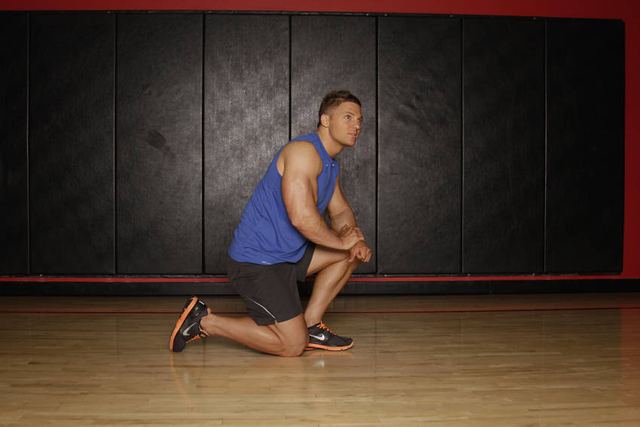
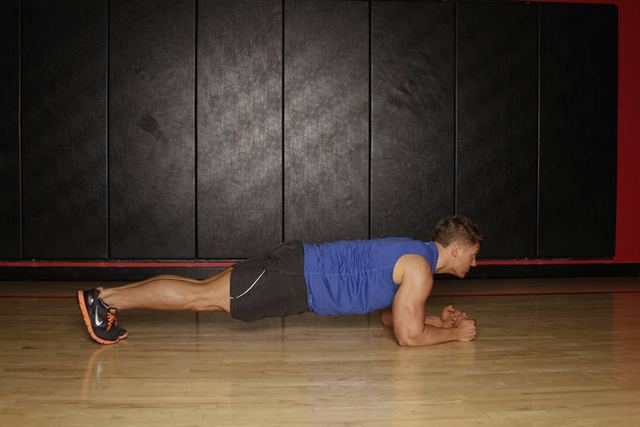 Animated demo
Plank
The plank is a static core exercise in which you hold your body straight on your forearms and toes.
 Animated demo
Crunches
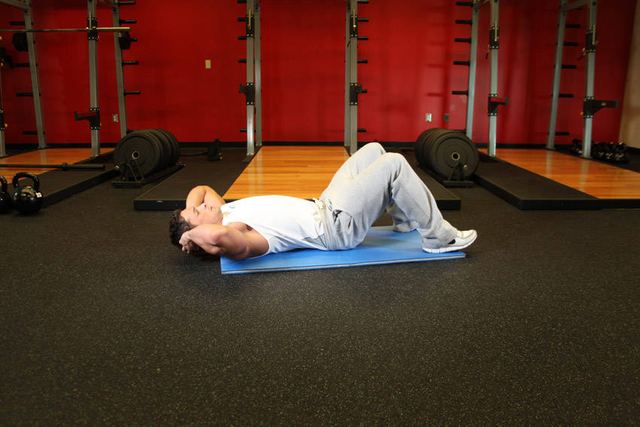
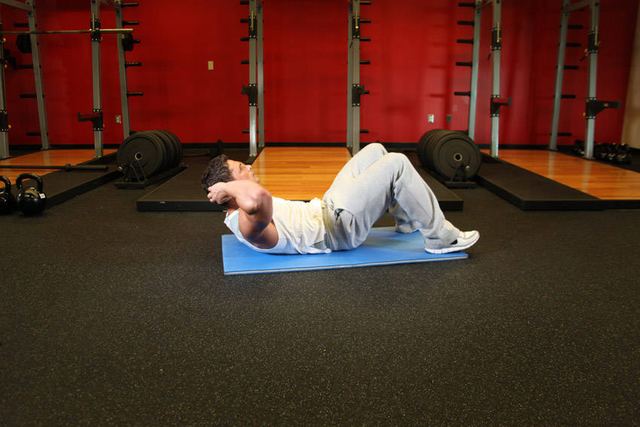
The crunch is a classic ab exercise that targets the rectus abdominis, the six-pack muscle.
 Animated demo
Reverse Crunches
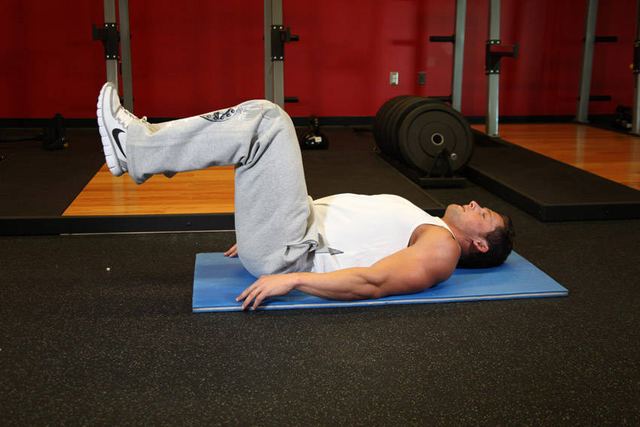
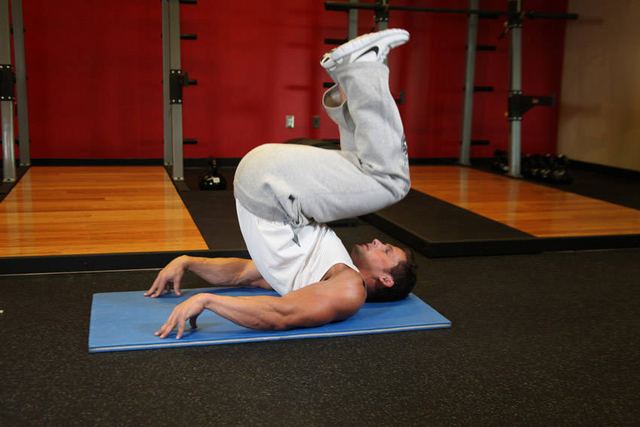
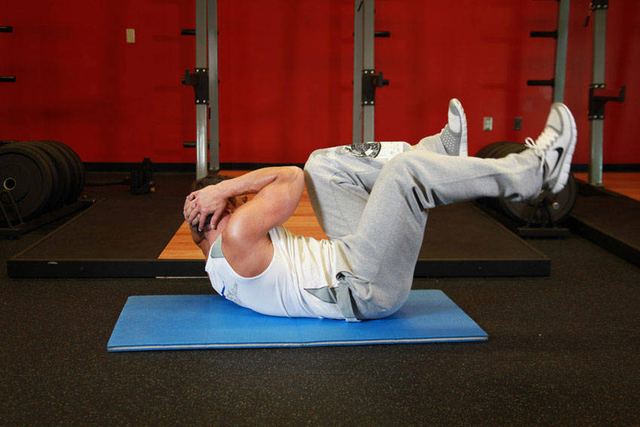
The reverse crunch curls your hips up toward your ribs instead of lifting your shoulders.
 Animated demo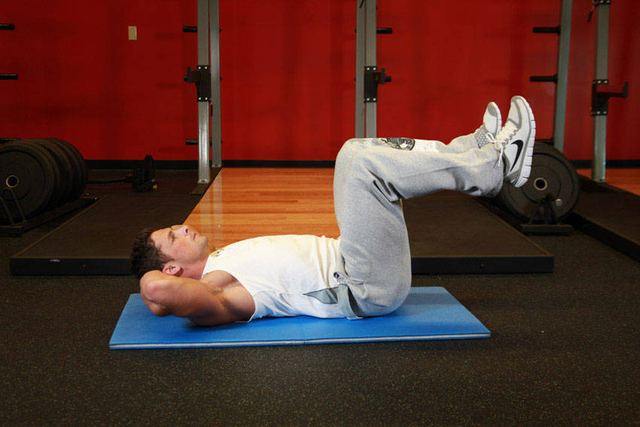
 Animated demo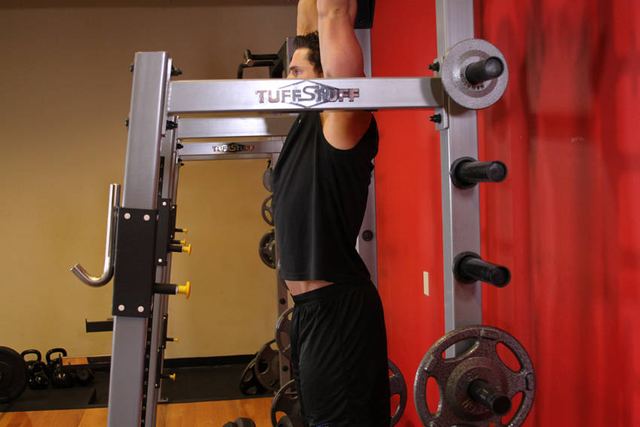
 Animated demo
Hanging Leg Raises
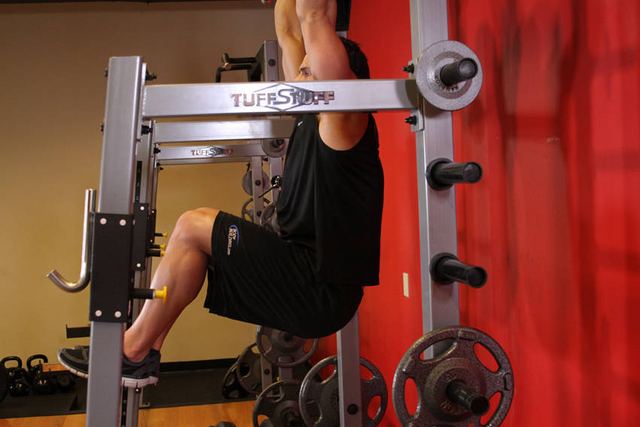
Hanging from a pull-up bar and raising your legs is one of the toughest ab exercises.