How to Start Working Out After 40 (and Get Real Results)
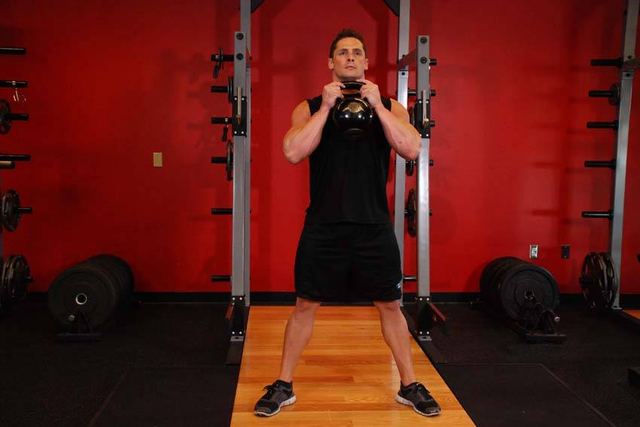
It is never too late to get fit. People who start training in their 40s, 50s and even 70s build strength and muscle and improve their health dramatically. Your approach just needs a few smart adjustments. Here is how to start safely and get results.
Why exercise matters even more after 40
From around age 30–40, adults who do not strength train gradually lose muscle mass and strength, a process called sarcopenia when it becomes severe. Bone density also declines, especially in women after menopause. Metabolism slows slightly, partly because of muscle loss and reduced activity, and the risk of high blood pressure, type 2 diabetes and heart disease rises.
The good news is that exercise directly counters almost all of these changes. Research shows that adults in their 60s, 70s and older still gain significant strength and muscle from resistance training. Regular exercise is linked to lower risk of heart disease, stroke, type 2 diabetes, several cancers, depression and dementia, and to better sleep, mood and independence later in life.
Step 1: Check in with your doctor
If you have been inactive, are over 40, or have any medical condition (heart disease, high blood pressure, diabetes, joint problems, past injuries), talk to your doctor before starting. Ask specifically about any exercises or intensities to avoid. This is especially important if you get chest pain, unusual shortness of breath or dizziness with exertion.
Step 2: Make strength training your priority
If you only do one type of exercise after 40, make it strength training. It is the only form of exercise that reliably builds and preserves muscle and bone. Aim for 2–3 sessions per week covering the whole body.
Best exercises to start with:
- Goblet squats or box squats to a chair, for leg strength and getting up from chairs and the floor
- Romanian deadlifts with light dumbbells, to strengthen the back of the body and protect the lower back
- Incline push-ups or a dumbbell press for the chest and arms
- One-arm dumbbell rows or cable rows for posture
- Step-ups for balance and stair strength
- Glute bridges and dead bugs for a stable core and healthy lower back
Step 3: Smart adjustments for your 40s and beyond
- Warm up longer: 8–12 minutes of easy cardio and mobility, plus light warm-up sets.
- Control every rep: lower weights slowly (2–3 seconds). Controlled reps are safer for joints and very effective for muscle.
- Use moderate reps: 8–15 reps per set for most exercises. You do not need very heavy singles to get strong.
- Progress gradually: small weight jumps and patience.
- Choose joint-friendly variations: dumbbells instead of barbells if your shoulders complain, leg press or box squats if deep squats hurt your knees, trap-bar or dumbbell deadlifts instead of barbell from the floor.
- Recover more: 48 hours between hard sessions for the same muscles, at least one or two full rest days per week.
- Include balance work: single-leg exercises and standing on one leg while brushing your teeth help prevent falls later.
Step 4: Add cardio for heart health
The U.S. Physical Activity Guidelines recommend 150–300 minutes of moderate aerobic activity per week for adults of all ages. Brisk walking, cycling, swimming, rowing and the elliptical are joint-friendly. If you are healthy and cleared by your doctor, one or two weekly sessions of intervals (for example 30–60 seconds faster, then 1–2 minutes easy) improve cardiovascular fitness efficiently.
Step 5: Keep moving well
Five to ten minutes of mobility work a few times per week helps you move comfortably. Try the cat-cow, the world's greatest stretch and child's pose. Yoga and Pilates classes are also great complements to strength training.
For women: training through perimenopause and menopause
Falling estrogen around menopause accelerates bone loss and often shifts fat storage to the belly. Strength training, including some heavier lifting once you are experienced and cleared to do so, is one of the most effective ways to protect bone density and muscle. Impact activities such as brisk walking, stair climbing and small jumps (if your joints and pelvic floor tolerate them) also stimulate bone. Prioritize protein, calcium and vitamin D, and talk to your doctor about bone health screening. Symptoms like hot flashes and poor sleep may affect energy; on low days, reduce intensity rather than skipping training.
For men: testosterone and aging
Testosterone levels decline gradually with age in men, roughly 1% per year after 30–40 on average. Lower testosterone can make muscle building a bit slower, but resistance training, adequate sleep, a healthy body weight and good nutrition all support healthy hormone levels. Many men in their 40s and 50s build impressive strength with consistent training. If you have symptoms such as persistent fatigue, low libido or low mood, ask your doctor about testing rather than self-medicating with supplements.
Nutrition after 40
- Protein: older muscles are less responsive to protein ("anabolic resistance"), so aim for about 1.2–1.6 g/kg per day (higher if building muscle), with 25–40 g per meal.
- Calcium and vitamin D for bones, from dairy, fortified foods, leafy greens and sensible sun exposure, or supplements as advised by your doctor.
- Fiber from vegetables, fruit, beans and whole grains for heart and gut health.
- Calories: needs may be slightly lower than in your 20s. Use the calorie calculator to estimate yours.
- Alcohol: recovery and sleep suffer more with age. Keep it moderate.
Sample weekly plan for beginners over 40
| Day | Session |
|---|---|
| Monday | Full-body strength (40 min) |
| Tuesday | Brisk walk 30–40 min |
| Wednesday | Mobility 15 min + easy bike 20 min |
| Thursday | Full-body strength (40 min) |
| Friday | Brisk walk 30–40 min |
| Saturday | Hike, swim, sport or long walk |
| Sunday | Rest |
For the strength days, the men's and women's beginner home workouts or the men's and women's beginner gym plans work very well. Start with the lower end of the rep ranges and use easier variations for the first two weeks.
Soreness vs pain
Muscle soreness for a day or two after new exercise is normal. Sharp pain, joint pain that lasts, pain that gets worse during exercise, or swelling are signs to stop and get advice from a doctor or physical therapist. Chest pain, pressure, severe breathlessness or dizziness during exercise require immediate medical attention.
Your first four weeks, step by step
| Week | Strength | Cardio | Focus |
|---|---|---|---|
| 1 | 2 sessions, 2 sets per exercise, very light | 3 walks of 20 min | Learn movements, build the habit |
| 2 | 2 sessions, 2–3 sets | 3–4 walks of 25 min | Slightly heavier weights |
| 3 | 2–3 sessions, 3 sets | 4 walks of 30 min | Last reps feel challenging |
| 4 | 3 sessions, 3 sets | 4–5 sessions of 30 min | Track progress, adjust |
Sleep and recovery after 40
Sleep quality often changes with age, and recovery depends heavily on it. Aim for 7–9 hours. Keep regular sleep and wake times, limit caffeine after noon, keep alcohol moderate (it fragments sleep), and make your bedroom cool and dark. Regular exercise itself improves sleep quality for many people. If you snore heavily or wake unrefreshed despite enough time in bed, talk to your doctor about sleep apnea.
Working around common issues
- Knee pain: use box squats, leg press with a moderate range, step-ups to a low box and glute bridges. Strengthening the quads and glutes often reduces knee pain over time.
- Lower-back pain: start with dead bugs, glute bridges, bird-dogs and light Romanian deadlifts with perfect form. Avoid heavy spinal loading until you are pain-free and confident.
- Shoulder pain: use dumbbells with a neutral grip, incline push-ups, rows and face pulls. Avoid behind-the-neck pressing and very deep dips.
- High blood pressure: avoid holding your breath during lifts, keep reps controlled, and follow your doctor's guidance.
When in doubt, a physical therapist can design a safe starting program around your specific situation.
Staying motivated long-term
People who keep exercising into their 60s, 70s and beyond usually have one thing in common: they found a routine they enjoy and made it part of their identity. Some ideas: train with a partner or spouse, join a class, set performance goals (a first push-up, a 5K walk, a body-weight deadlift), track your strength, and focus on what exercise lets you do: playing with grandchildren, traveling, hiking and living independently.
What success looks like
After 3–6 months of consistent training, most people over 40 report better energy, mood and sleep, easier daily tasks, reduced aches, measurable strength gains and, if combined with good nutrition, a smaller waist. Blood pressure, blood sugar and cholesterol often improve as well; ask your doctor to recheck them. Those benefits build on each other year after year.
The bottom line
After 40, exercise is not optional; it is one of the most powerful tools for staying strong, healthy and independent. Get medical clearance, make strength training the foundation, add walking and cardio, warm up well, progress patiently and eat enough protein. The best time to start was years ago. The second-best time is this week.
Frequently asked questions
Is it too late to build muscle after 40?
No. Studies show people in their 60s, 70s and beyond can build significant muscle and strength with resistance training.
How many days a week should I work out after 40?
Two to three strength sessions plus about 150 minutes of moderate cardio per week is an excellent target.
Should I lift heavy weights after 40?
Moderate to heavy weights with good form are safe for most healthy adults once technique is learned. Progress gradually and get medical advice if you have conditions.
What is the best exercise for women over 40?
Strength training is the most important, because it protects muscle and bone density, especially around menopause.
Disclaimer: This article is for general education and is not medical advice. Consult a doctor or qualified professional before making major changes to your exercise or diet, especially if you have a health condition.
Keep reading
How to Lose Belly Fat: A Science-Based Guide for Men and Women
Why belly fat is stubborn, why crunches alone will not burn it, and the exact nutrition, training, sleep and stress habits that actually shrink your waist.
The 12 Best Glute Exercises for Women (Home & Gym) + Sample Workouts
The most effective glute exercises for women, explained: hip thrusts, RDLs, split squats, abduction and more, plus how to program them for stronger, rounder glutes.
How to Build Muscle: The Complete Beginner's Guide (2026)
Everything a beginner needs to build muscle: training volume, reps, progressive overload, protein, calories, sleep and a simple first program.