The 12 Best Glute Exercises for Women (Home & Gym) + Sample Workouts
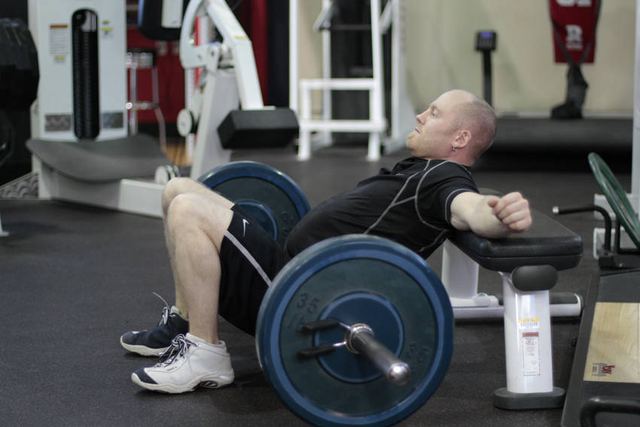
Strong glutes do much more than fill out a pair of jeans. They power every step, protect your lower back and knees, and make you faster and more athletic. Here are the exercises that build them best, how they work, and how to put them together into a plan that gets results.
Meet your glutes: three muscles, three jobs
"The glutes" are actually three muscles on each side:
- Gluteus maximus, the largest muscle in the human body. It extends the hip (drives it forward, as in standing up from a squat or the top of a hip thrust) and gives the buttocks most of their shape and size.
- Gluteus medius, on the upper outer side of the hip. It moves the leg out to the side (abduction) and keeps your pelvis level when you stand on one leg. A well-developed medius creates the rounded "upper shelf" look.
- Gluteus minimus, the smallest, underneath the medius, with a similar stabilizing role.
Because the glutes do several jobs, the best glute training uses several types of exercises. No single exercise covers everything, which is why "do squats" alone is not the complete answer for most women.
The 4 principles of glute growth
- Progressive overload. Muscles grow when they are challenged to do more over time. Add weight, reps or sets gradually, or move to harder variations.
- Variety of movement patterns. Combine a thrust/bridge (peak tension at the top), a hinge (stretch under load), a squat or lunge (deep hip flexion) and abduction (side glutes).
- Enough weekly volume. Most research on muscle growth suggests that around 10–20 hard sets per muscle per week works well for trained people. Beginners grow with less, starting around 6–10 sets.
- Frequency. Training the glutes 2–3 times per week usually beats one huge "leg day", because you can do more quality sets when you are fresh.
The 12 best glute exercises
1. Barbell hip thrust
The hip thrust is the most popular glute builder for good reason. EMG studies have shown higher gluteus maximus activation in hip thrusts than in back squats, and the movement is easy to load heavily without much lower-back stress. Rest your upper back on a bench, roll a padded barbell over your hips, drive through your heels and squeeze hard at the top. Keep your chin tucked and ribs down so the movement comes from the hips, not the lower back.
Sets & reps: 3–5 × 6–12. Home option: dumbbell hip thrust on a couch.
2. Glute bridge
The glute bridge is the hip thrust's floor version. The range of motion is shorter, but it is perfect for beginners, warm-ups and home workouts. Add a resistance band above the knees to light up the side glutes at the same time, or rest a dumbbell on your hips to add load.
Sets & reps: 3–4 × 12–20.
3. Romanian deadlift (RDL)
The Romanian deadlift trains the glutes and hamstrings in a lengthened (stretched) position. Recent research suggests that training muscles at long lengths can be particularly effective for growth. Push your hips back, keep the bar or dumbbells close to your legs and stop when you feel a strong hamstring stretch, usually around mid-shin.
Sets & reps: 3–4 × 8–12.
4. Bulgarian split squat
The Bulgarian split squat is a single-leg squat with the back foot on a bench. Lean your torso slightly forward and take a longer stance to shift more work to the glutes. It is tough, and that is why it works. Only light weights are needed, so it is ideal for home training.
Sets & reps: 3 × 8–12 per leg.
5. Reverse lunge
Reverse lunges keep your weight on the front heel, which loads the glutes and is gentler on the knees than forward lunges. For even more glute work, stand on a 2–4 inch step (deficit reverse lunge) to increase the range of motion.
Sets & reps: 3 × 10–12 per leg.
6. Goblet squat
The goblet squat teaches a deep, upright squat. Squats train the glutes most at the bottom, so depth matters: aim for your hip crease to go at least to knee height. Squats also build the quads, which give the legs their shape from the front.
Sets & reps: 3–4 × 10–15.
7. Barbell back squat
For gym-goers, the barbell squat lets you lift heavier than any other squat. A slightly wider stance with the toes turned out and a deep squat increases glute involvement.
Sets & reps: 3–5 × 5–10.
8. Step-up
Step-ups look simple but are excellent for the glutes, especially with a higher box (around knee height) and a slow lowering phase. Drive through the heel of the top leg and avoid pushing off the bottom foot.
Sets & reps: 3 × 10–12 per leg.
9. Sumo deadlift
The wide stance of the sumo deadlift involves the glutes and inner thighs heavily and often feels more comfortable for women with long legs.
Sets & reps: 3–4 × 5–8.
10. Hip abduction (machine or band)
The hip abduction machine and banded abductions isolate the gluteus medius and minimus. Leaning your torso forward on the machine often increases the glute feeling.
Sets & reps: 2–3 × 15–25.
11. Donkey kicks / cable kickbacks
Donkey kicks at home or cable kickbacks in the gym isolate the gluteus maximus. Keep your back flat and focus on squeezing at the top rather than swinging the leg high.
Sets & reps: 2–3 × 12–20 per leg.
12. Back extension (glute-focused)
On a 45-degree back extension bench, round your upper back slightly, turn your feet out and squeeze the glutes to raise your body. This shifts the work from the lower back to the glutes and hamstrings.
Sets & reps: 2–3 × 15–20.
Which exercise for which goal?
| Exercise | Main target | Equipment | Level |
|---|---|---|---|
| Hip thrust | Glute max (top of the movement) | Barbell/dumbbell + bench | All |
| Glute bridge | Glute max | None/band | Beginner |
| Romanian deadlift | Glute max + hamstrings (stretch) | Dumbbells/barbell | All |
| Bulgarian split squat | Glutes + quads | Bench + dumbbells | Intermediate |
| Reverse lunge | Glutes + quads | None/dumbbells | Beginner |
| Squat | Quads + glutes | Any | All |
| Step-up | Glutes + quads | Box/bench | Beginner |
| Abduction | Glute medius/minimus | Machine/band | All |
| Kickbacks | Glute max | None/cable | Beginner |
Sample home glute workout (2× per week)
Equipment: a pair of dumbbells, a resistance loop band and a sturdy couch or chair.
- Warm-up: 2 × 15 banded glute bridges and 2 × 12 bodyweight squats.
- Dumbbell hip thrust on the couch: 4 × 12–15 (pause 2 seconds at the top).
- Dumbbell Romanian deadlift: 3 × 10–12.
- Bulgarian split squat: 3 × 10 per leg.
- Reverse lunge: 2 × 12 per leg.
- Banded side-lying leg raises: 2 × 20 per leg.
- Donkey kicks: 2 × 15 per leg.
For a full 8-week plan, see the women's intermediate home workout.
Sample gym glute workout (2–3× per week)
- Barbell hip thrust: 4 × 8–10.
- Romanian deadlift: 3 × 8–10.
- Bulgarian split squat or walking lunges: 3 × 10 per leg.
- Leg press with feet high and wide: 3 × 12.
- Hip abduction machine: 3 × 15–20.
- 45° back extension (glute focus): 2 × 15–20.
Our 4-day glute and toning split and advanced 5-day glute program organize these into complete weeks.
Mistakes that slow glute growth
- Only doing light band exercises. Bands are great for warm-ups and accessories, but the glutes need heavy compound work too.
- Never adding weight. If you use the same dumbbells for months, your glutes have no reason to change.
- Feeling it all in the lower back. In hip thrusts and bridges, tuck your ribs down, keep your chin tucked and finish with the glutes, not by arching.
- Feeling it all in the quads. In split squats and lunges, take a longer step and lean forward slightly.
- Under-eating. Building muscle requires energy and protein. Very low-calorie diets make glute growth nearly impossible.
- Expecting results in two weeks. Visible changes usually take 8–12 weeks of consistent training.
Nutrition for stronger glutes
To build muscle you need enough protein (about 0.7–1 g per pound of body weight, or 1.6–2.2 g/kg per day) and enough total energy. If your main goal is a rounder, fuller shape, eat at maintenance or in a small surplus. Our 2,200-calorie lean muscle meal plan for women is a good template. If you also want to lose fat, a moderate deficit with high protein and heavy training can still build some muscle, especially if you are new to lifting.
A word about genetics
Your bone structure, the shape of your pelvis and where your body stores fat all influence how your glutes look. Training cannot change your skeleton, and some women naturally have more "hip dips" or a different glute shape than others. What training can do is make your glutes as strong, firm and developed as your body allows, and that change is often much bigger than people expect.
Technique deep-dive: getting the most from the hip thrust
Because the hip thrust is the cornerstone of most glute programs, it is worth getting every detail right. Small set-up changes make a big difference in whether you feel it in your glutes, your lower back or your hamstrings.
- Bench height: a standard flat bench of about 16–18 inches (40–45 cm) suits most women. The lower edge of your shoulder blades should rest on the bench.
- Foot position: at the top of the rep, your shins should be roughly vertical. Feet too far forward shifts work to the hamstrings; feet too close shifts it to the quads.
- Stance width: hip-width or slightly wider with toes turned out a little usually feels best. Experiment and choose the position where you feel the strongest glute contraction.
- Head and ribs: keep your chin tucked and look forward rather than at the ceiling. Your torso should move as one block, hinging around the bench, rather than your lower back arching.
- Lockout: finish with a posterior pelvic tilt, as if tucking your tailbone under, and pause for 1–2 seconds.
- Padding: a thick bar pad or a folded mat prevents bruising on the hip bones as the weights get heavier.
If you do not have a barbell, place a heavy dumbbell across your hips and hold it in place with both hands. When the dumbbell becomes too light, switch to single-leg hip thrusts, which roughly double the load on each glute.
How to structure a full week of glute training
A simple and effective way to organize glute training is to give each session a different "theme" so you hit the muscles from different angles across the week:
| Session | Main exercise | Supporting exercises | Rep focus |
|---|---|---|---|
| Day 1 – Heavy | Hip thrust 4 × 6–8 | Romanian deadlift, split squat | Lower reps, heavy loads |
| Day 2 – Squat/lunge | Squat or leg press 3–4 × 8–10 | Walking lunges, step-ups | Moderate reps, deep range |
| Day 3 – Pump | Glute bridge 3 × 15–20 | Kickbacks, abduction, back extensions | Higher reps, short rests |
If you only have time for two lower-body days, combine Day 3's accessories into the end of Days 1 and 2. Upper-body training on the other days keeps your physique balanced and improves posture.
How to track your glute progress
The mirror is not always reliable because you see yourself every day. Use objective measures instead:
- Strength: log your hip thrust, Romanian deadlift and split squat numbers. If they rise steadily, your glutes are growing.
- Measurements: measure your hips at the widest point every 4 weeks, at the same time of day and in the same conditions.
- Photos: take front, side and back photos every 4 weeks in the same lighting and clothing.
- How clothes fit: jeans often feel tighter in the seat and looser at the waist when you build glutes while losing fat.
Glute training and lower-back or knee pain
Strong glutes can help reduce some types of lower-back and knee pain because they stabilize the pelvis and control knee position. However, if you already have pain, start gently. Glute bridges, side-lying leg raises and banded walks are usually well tolerated. Avoid movements that reproduce sharp pain, and see a doctor or physical therapist if pain persists or radiates down the leg. Many women with knee pain do well with box squats, step-ups to a low box and reverse lunges, which keep the shin more vertical than deep forward lunges.
Recovery: when glutes grow
Muscles grow during recovery, not during the workout. If your glutes are still very sore when your next session comes around, reduce the number of sets slightly or add a rest day. Sleep 7–9 hours, eat enough protein at each meal, and keep your daily steps up: light activity improves blood flow and often reduces soreness. Training glutes hard on three consecutive days rarely works as well as spreading the sessions across the week.
The bottom line
The best glute program combines a heavy thrust or bridge, a hip hinge like the Romanian deadlift, a single-leg squat or lunge, and some abduction work, done 2–3 times per week with progressive overload and enough protein. Pick 4–6 exercises from this list, track your weights, and stay consistent for at least 12 weeks.
Frequently asked questions
How often should women train glutes?
2–3 times per week works best for most women, with at least one rest day between hard glute sessions.
Can I grow my glutes at home?
Yes. Dumbbell hip thrusts, Bulgarian split squats, RDLs, step-ups and band work can build the glutes very well at home.
Are squats enough to grow glutes?
Squats help, but they work the quads a lot. Adding hip thrusts, RDLs and abduction gives better overall glute development.
How long does it take to see glute growth?
Most women notice firmer glutes in 4–6 weeks and visible shape changes in 8–12 weeks.
Will glute training make my legs bigger?
Exercises like hip thrusts and abduction target the glutes with little thigh growth. Squats and lunges also build the thighs, which most women find gives a more toned, athletic shape.
Disclaimer: This article is for general education and is not medical advice. Consult a doctor or qualified professional before making major changes to your exercise or diet, especially if you have a health condition.
Keep reading
How to Lose Belly Fat: A Science-Based Guide for Men and Women
Why belly fat is stubborn, why crunches alone will not burn it, and the exact nutrition, training, sleep and stress habits that actually shrink your waist.
How to Build Muscle: The Complete Beginner's Guide (2026)
Everything a beginner needs to build muscle: training volume, reps, progressive overload, protein, calories, sleep and a simple first program.
How Much Protein Do You Need Per Day? (For Fat Loss, Muscle & Health)
How much protein you really need for weight loss, muscle building and healthy aging, the best American protein foods, timing, and a sample high-protein day.