How to Lose Belly Fat: A Science-Based Guide for Men and Women
Belly fat is the most common complaint we hear from readers, men and women alike. The good news: it can be lost. The bad news: not with crunches, detox teas or a magic food. This guide explains what actually works, and why, so you can follow a plan with confidence.
Two types of belly fat (and why one matters more)
Not all belly fat is the same. Scientists separate it into two main types:
- Subcutaneous fat sits right under the skin. It is the soft fat you can pinch. It is mostly a cosmetic concern, although large amounts still affect health.
- Visceral fat sits deeper, around your organs such as the liver and intestines. You cannot pinch it, but it pushes the stomach out and makes it feel firm. Visceral fat is metabolically active: it releases inflammatory substances and fatty acids that are linked to insulin resistance, type 2 diabetes, high blood pressure, heart disease and fatty liver disease.
That is why doctors pay attention to waist size, not only body weight. The CDC and many health organizations note that a waist circumference of more than 40 inches (102 cm) for men or 35 inches (88 cm) for most women is associated with higher health risk. A simple rule many researchers use: keep your waist at less than half your height.
The encouraging part is that visceral fat usually responds well to diet and exercise. In many studies, it is one of the first fat stores to shrink when people start losing weight and exercising regularly.
Why belly fat is so stubborn
Several factors decide where your body stores fat and where it loses it first:
- Genetics: your genes largely decide your fat distribution. Some people store fat on the hips and thighs, others on the belly.
- Sex hormones: men tend to store more fat around the abdomen. Women tend to store more on the hips and thighs before menopause. After menopause, falling estrogen often shifts more fat storage to the belly, which is why many women notice a change in their 40s and 50s.
- Age: muscle mass slowly declines with age if you do not train, which lowers daily calorie burn and makes fat gain easier.
- Stress and sleep: chronic stress and short sleep are linked to higher appetite, more cravings and, in several studies, more abdominal fat.
- Alcohol: regular heavy drinking is strongly associated with a larger waist (hence the name "beer belly"). Alcohol adds calories, lowers your inhibitions around food, and disrupts sleep.
You cannot change your genes or age, but you can control the rest. And because the body draws on all fat stores during a sustained calorie deficit, the belly will shrink, even if it is the last place to go.
The myth of spot reduction
If you remember one thing from this article, make it this: you cannot burn fat from one specific area by exercising that area. This idea is called "spot reduction" and it has been tested many times. In one well-known study, participants did thousands of sit-ups over six weeks. Their abdominal fat did not decrease more than fat elsewhere on their bodies. Other studies on targeted arm and leg training found the same thing.
Why? Fat cells release stored fat into the bloodstream, and muscles anywhere in the body can use it. The muscle you are working does not "suck" fat from the fat directly above it. Ab exercises are still valuable because they build a strong, stable core, and when your body fat drops, well-developed abs will show more clearly. But they are not a fat-loss tool on their own.
Step 1: Create a sustainable calorie deficit
Fat loss requires burning more energy than you eat over time. There is no way around this rule, whatever diet you choose. Low-carb, low-fat, intermittent fasting and plant-based diets can all work, and studies comparing them usually find similar fat loss when calories and protein are matched. The best diet is the one you can stick to.
A moderate deficit of about 15–25% below your maintenance calories is a good target for most people. It usually leads to a loss of 0.5–1% of body weight per week, which is fast enough to stay motivated and slow enough to protect muscle and keep hunger manageable. Use our calorie calculator or the plan builder to find your number, or simply follow one of our ready-made plans: the 2,000-calorie plan for men or the 1,500-calorie plan for women.
Important: Crash diets with very low calories often backfire. They increase muscle loss, hunger and fatigue, and most people regain the weight. Slow and steady wins.
Step 2: Eat more protein
Protein is your best friend when losing belly fat, for three reasons:
- It keeps you full. Protein is the most satiating macronutrient. Higher-protein diets help people eat fewer calories without feeling starved.
- It protects muscle. When you diet, your body can break down muscle for energy. Adequate protein plus strength training signals your body to keep it.
- It costs more energy to digest. About 20–30% of protein calories are used during digestion, compared with roughly 5–10% for carbs and 0–3% for fat.
A practical target is about 0.7–1 gram of protein per pound of body weight (1.6–2.2 g/kg) per day. If you have a lot of weight to lose, base it on your goal weight instead. Spread it over 3–5 meals: eggs or Greek yogurt at breakfast, chicken or tuna at lunch, fish or lean beef at dinner, and a protein snack if needed. Read more in our complete protein guide.
Step 3: Choose foods that make the deficit easy
You do not need to cut out any food group, but some foods make a calorie deficit far easier to sustain:
- High-fiber foods: vegetables, fruit, beans, lentils, oats and whole grains. Soluble fiber in particular has been linked to lower visceral fat in observational research, and fiber improves fullness.
- High-volume foods: salads, soups, berries, potatoes and lean proteins give you lots of food for relatively few calories.
- Minimally processed foods: a controlled study at the U.S. National Institutes of Health found that people ate about 500 more calories per day on an ultra-processed diet than on a minimally processed one, even though both diets were matched for nutrients offered.
And some foods are worth limiting:
- Sugary drinks such as soda, sweet tea, energy drinks and many coffee drinks. Liquid calories do not fill you up, and high intake of added sugar, particularly fructose from sweetened beverages, has been associated with more visceral and liver fat.
- Alcohol, which adds "empty" calories, disrupts sleep and lowers willpower.
- Fried foods and pastries, which pack a lot of calories into small portions.
See our list of the best grocery-store foods for weight loss for a full shopping list.
Step 4: Lift weights
When people want to lose belly fat, they usually start running. Cardio helps, but strength training is just as important, and in some ways more important:
- It protects and builds muscle while you diet, so the weight you lose is fat, not muscle.
- More muscle slightly increases your daily calorie burn and improves how your body handles blood sugar.
- Research in adults has found that resistance training reduces visceral fat, and combining it with aerobic exercise is particularly effective.
- It changes your shape. Losing fat while building muscle gives you the lean, athletic look most people actually want.
Aim for 2–4 full-body or upper/lower strength sessions per week, focusing on big compound exercises like squats, Romanian deadlifts, push-ups, rows and lunges. Our programs for men and women give you a complete weekly plan for home or gym.
Step 5: Add cardio and daily movement
Aerobic exercise is one of the most studied ways to reduce visceral fat. Studies and meta-analyses suggest that regular moderate-to-vigorous aerobic exercise reduces visceral fat even when total weight loss is modest. The U.S. Physical Activity Guidelines recommend at least 150–300 minutes of moderate activity or 75–150 minutes of vigorous activity per week.
Good options:
- Brisk walking, the most underrated fat-loss tool. It is easy on the joints, does not increase hunger much, and you can do it every day.
- Cycling, swimming, rowing or the elliptical for low-impact cardio.
- Interval training (HIIT) such as 30 seconds hard and 60 seconds easy on a bike, or circuits of jump rope, mountain climbers and kettlebell swings. HIIT is time-efficient, but it is demanding; 1–2 sessions per week are plenty.
Do not forget NEAT, your non-exercise activity: walking, taking stairs, standing, housework. It can differ by several hundred calories per day between people. A daily target of 7,000–10,000 steps is a simple, effective habit.
Step 6: Fix your sleep
Sleep might be the most overlooked factor in fat loss. Short sleep increases the hunger hormone ghrelin, reduces the fullness hormone leptin, and makes high-calorie foods look more appealing. In controlled studies, sleep-restricted people ate more and, when dieting, lost a smaller share of their weight as fat. Observational studies also link short sleep (under about 6 hours) to larger waists.
Aim for 7–9 hours per night. Keep a regular schedule, keep the bedroom dark and cool, avoid caffeine after early afternoon, and limit screens for 30–60 minutes before bed. If you snore loudly or wake up exhausted, ask your doctor about sleep apnea, which is common in people with more belly fat and improves with weight loss.
Step 7: Manage stress
Chronic stress raises cortisol, and some research links high cortisol to more abdominal fat. More practically, stress drives emotional eating, poor sleep and skipped workouts. You cannot remove all stress, but you can build buffers: daily walks, strength training, time with friends, breathing exercises, limiting news and social media, and planning meals in advance so stressful days do not end in takeout.
How long does it take to lose belly fat?
It depends on how much you have to lose. At a sustainable rate of 0.5–1% of body weight per week, a person with 20 lb (9 kg) to lose will need roughly 3–6 months. Most people notice their waist getting smaller within 3–4 weeks: belts get looser and pants fit better before the scale shows big changes. Take a waist measurement at the belly button every two weeks; it is often the most motivating number to track.
| Week | What you will likely notice |
|---|---|
| 1–2 | Less bloating, better energy, quick early scale drop (partly water) |
| 3–6 | Waist down 1–2 inches (2–5 cm), clothes fitting better, strength rising |
| 7–12 | Visible change in photos, others start to notice |
| 12+ | Steady progress; stubborn lower-belly fat begins to shrink |
A simple weekly plan to lose belly fat
| Day | Training | Habit focus |
|---|---|---|
| Monday | Strength workout A (full body) | Protein at every meal |
| Tuesday | 30–45 min brisk walk | 8,000+ steps |
| Wednesday | Strength workout B | Water instead of sugary drinks |
| Thursday | 20 min intervals + core | In bed by a set time |
| Friday | Strength workout A | Plan weekend meals |
| Saturday | Long walk, hike or bike ride | Enjoy one treat meal mindfully |
| Sunday | Rest + meal prep | Weigh-in average & waist check |
For a ready-made strength plan, start with the men's beginner home workout or the women's beginner home workout.
Common mistakes that keep belly fat around
- Doing endless ab exercises while ignoring diet.
- Cutting calories too aggressively and quitting after two weeks.
- Relying on "fat-burning" supplements. Most have little or no evidence, and some are unsafe.
- Drinking calories: juices, smoothies, lattes and alcohol.
- Weekend overeating that cancels out the weekday deficit.
- Sleeping 5–6 hours and wondering why cravings are out of control.
- Judging progress by one morning on the scale instead of weekly averages and waist size.
Belly fat in men vs women
Men tend to accumulate more visceral fat than premenopausal women at the same body weight, which partly explains why men's waistlines often grow faster with age. Women, after menopause, see a shift toward more abdominal storage as estrogen falls. In both cases the same toolbox applies: calorie control, protein, strength training, cardio and sleep. Women going through menopause may benefit from extra emphasis on strength training to protect muscle and bone, and from discussing symptoms that disturb sleep with their doctor.
The bottom line
Losing belly fat is not about one trick. It is the result of a moderate calorie deficit, high protein, regular strength training, daily movement and cardio, good sleep and manageable stress, kept up for months. None of these steps is complicated on its own. Start with two or three of them this week, add the rest over the next month, and give your body time. Your waist will follow.
Frequently asked questions
What is the fastest way to lose belly fat?
There is no instant method. The fastest sustainable approach combines a moderate calorie deficit, high protein, strength training 2–4 times per week, regular cardio and 7–9 hours of sleep.
Can I lose belly fat in 2 weeks?
You can reduce bloating and lose a little fat in two weeks, but meaningful fat loss usually takes 8–12 weeks or more.
Do crunches burn belly fat?
No. Crunches strengthen the abs but do not burn the fat on top of them. Fat loss comes from an overall calorie deficit.
Is belly fat harder to lose for women after 40?
Hormonal changes around menopause can shift fat to the belly, but the same methods work: strength training, enough protein, a moderate deficit, sleep and stress management.
Does drinking water help lose belly fat?
Water has no direct fat-burning effect, but replacing sugary drinks with water cuts calories, and drinking water before meals may help you feel fuller.
Disclaimer: This article is for general education and is not medical advice. Consult a doctor or qualified professional before making major changes to your exercise or diet, especially if you have a health condition.
Keep reading
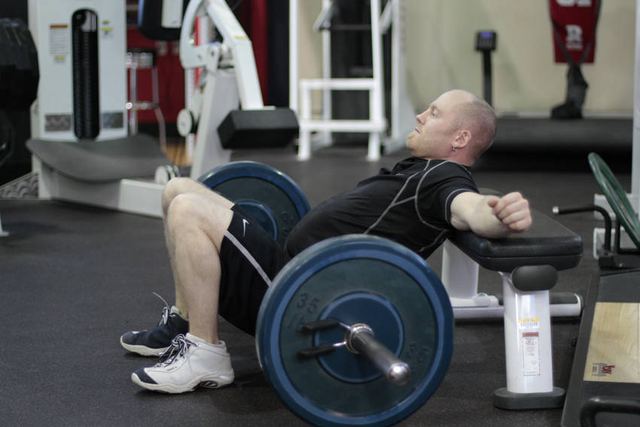
The 12 Best Glute Exercises for Women (Home & Gym) + Sample Workouts
The most effective glute exercises for women, explained: hip thrusts, RDLs, split squats, abduction and more, plus how to program them for stronger, rounder glutes.
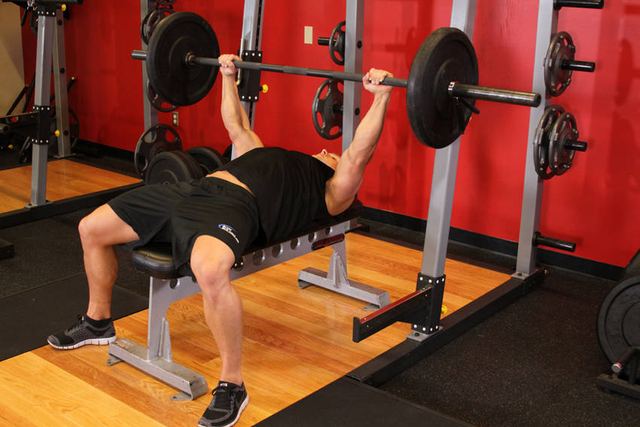
How to Build Muscle: The Complete Beginner's Guide (2026)
Everything a beginner needs to build muscle: training volume, reps, progressive overload, protein, calories, sleep and a simple first program.
How Much Protein Do You Need Per Day? (For Fat Loss, Muscle & Health)
How much protein you really need for weight loss, muscle building and healthy aging, the best American protein foods, timing, and a sample high-protein day.