How Much Protein Do You Need Per Day? (For Fat Loss, Muscle & Health)
Protein is the nutrient everyone in fitness talks about, and for good reason. It builds and repairs muscle, keeps you full, and helps you hold on to lean mass while you diet. But how much do you actually need, and does timing matter? Here is what the research says, translated into practical numbers.
What protein does in your body
Protein is made of amino acids, the building blocks of muscle, skin, hair, enzymes, hormones and immune cells. Your body is constantly breaking down and rebuilding proteins. Nine amino acids are "essential", which means you must get them from food. Leucine, one of these, plays a special role in switching on muscle protein synthesis.
For fitness, protein matters because:
- It provides the materials to repair and build muscle after training.
- It is the most filling macronutrient, which helps control appetite.
- It has the highest thermic effect: your body uses about 20–30% of protein calories just to digest it.
- During a calorie deficit, higher protein helps preserve muscle.
The RDA is a minimum, not an optimum
The Recommended Dietary Allowance (RDA) for protein in the United States is 0.8 g per kg of body weight per day (about 0.36 g per pound). For a 170 lb (77 kg) person, that is about 62 g per day. The RDA is designed to prevent deficiency in most healthy adults who are not very active. It is not designed for people who lift weights, are trying to lose fat, or want to stay strong as they age.
How much protein you need by goal
| Goal / situation | Grams per kg per day | Grams per lb per day |
|---|---|---|
| Sedentary adult (minimum) | 0.8 | 0.36 |
| Active adult, general health | 1.2–1.6 | 0.55–0.7 |
| Building muscle | 1.6–2.2 | 0.7–1.0 |
| Losing fat while lifting | 1.8–2.4 | 0.8–1.1 |
| Adults over 65 | 1.0–1.2+ (more if training) | 0.45–0.55+ |
These ranges reflect position stands from the International Society of Sports Nutrition and meta-analyses on protein and muscle gain. A widely cited 2018 meta-analysis found that the benefit of protein for lean mass gains leveled off at about 1.6 g/kg, with the upper confidence limit around 2.2 g/kg.
Heavier people: if you have a lot of body fat, calculate protein from your goal weight or from a healthy reference weight. Otherwise the number becomes unrealistically high. Our macro calculator does this automatically.
Examples
| Person | Goal | Daily protein target |
|---|---|---|
| Woman, 140 lb (64 kg) | Tone up / maintain | about 100–110 g |
| Woman, 165 lb (75 kg) | Lose fat | about 120–135 g |
| Man, 180 lb (82 kg) | Build muscle | about 130–180 g |
| Man, 230 lb (104 kg), goal 190 lb | Lose fat | about 150–170 g (based on goal weight) |
Does protein timing matter?
Total daily protein matters far more than timing. That said, a few timing habits help:
- Spread it out. Eating 3–5 meals with roughly 0.3–0.4 g/kg each (about 25–40 g for most people) seems to maximize muscle building better than one or two huge protein meals.
- Do not skip breakfast protein. Many Americans eat very little protein at breakfast and most at dinner. Shifting some to breakfast is an easy win for both muscle and appetite.
- Around training. Eating a protein-containing meal within a few hours before or after training is enough. The famous 30-minute "anabolic window" is much wider than once believed.
- Before bed. Some studies show that 30–40 g of slow-digesting protein (such as casein or cottage cheese) before sleep may support overnight muscle recovery.
Best protein foods at an American grocery store
| Food | Serving | Protein | Calories |
|---|---|---|---|
| Chicken breast, cooked | 4 oz (113 g) | 35 g | 185 |
| Turkey breast, cooked | 4 oz | 34 g | 170 |
| 93% lean ground beef, cooked | 4 oz | 28 g | 200 |
| Salmon, cooked | 4 oz | 25 g | 235 |
| Canned tuna in water | 1 can (about 4 oz drained) | 26 g | 120 |
| Shrimp, cooked | 4 oz | 24 g | 115 |
| Nonfat plain Greek yogurt | 1 cup | 23 g | 130 |
| Low-fat cottage cheese | 1 cup | 24–28 g | 180 |
| Eggs | 2 large | 12 g | 140 |
| Liquid egg whites | 1/2 cup | 13 g | 60 |
| Milk, 1% | 1 cup | 8 g | 100 |
| Whey protein powder | 1 scoop | 20–25 g | 110–130 |
| Black beans, cooked | 1 cup | 15 g | 230 |
| Lentils, cooked | 1 cup | 18 g | 230 |
| Firm tofu | 1/2 cup | 20 g | 180 |
| Beef jerky | 1 oz | 9–13 g | 80–115 |
Can you get enough protein from plants?
Yes, with a bit of planning. Plant proteins are often lower in one or more essential amino acids and slightly less digestible, so vegetarians and vegans may benefit from aiming for the higher end of the ranges and combining sources: beans with rice, tofu or tempeh, lentils, edamame, seitan, soy milk, and pea or soy protein powder. Soy is a complete protein with a solid track record in muscle-building studies.
A sample high-protein day (about 150 g)
- Breakfast: 2 eggs + 1/2 cup egg whites scrambled, 2 slices whole-wheat toast, an orange (about 34 g)
- Lunch: chicken burrito bowl with 5 oz chicken, brown rice, black beans and salsa (about 55 g)
- Snack: a cup of Greek yogurt with berries (about 23 g)
- Dinner: 5 oz salmon, rice and asparagus (about 38 g)
Our 7-day meal plans are all built around high-protein American meals like these.
Is a high-protein diet safe?
For healthy adults, protein intakes up to about 2 g/kg (and higher in short-term studies) have not been shown to harm kidney function. However, people with existing chronic kidney disease need to limit protein, so if you have kidney problems, diabetes with kidney involvement, or any related condition, talk to your doctor or a registered dietitian before increasing protein. Also make sure a high-protein diet still includes plenty of fiber from vegetables, fruit, beans and whole grains.
Easy ways to eat more protein
- Build every meal around a protein source first, then add carbs and vegetables.
- Swap regular yogurt for Greek yogurt and sour cream for Greek yogurt.
- Add egg whites to your eggs, or cottage cheese to scrambled eggs.
- Keep ready-to-eat protein on hand: rotisserie chicken, tuna pouches, jerky, string cheese, hard-boiled eggs.
- Use a protein shake when you are short on time, not as a meal replacement for every meal.
- Choose higher-protein versions of staples: protein pasta, high-protein bread, ultra-filtered milk.
Protein quality: does the source matter?
Not all proteins are equal. Scientists rate protein quality by its amino acid profile and digestibility. Animal proteins (meat, fish, eggs, dairy) and soy are "complete" proteins, containing all essential amino acids in good amounts, and they are rich in leucine, the amino acid that most strongly triggers muscle protein synthesis. Many plant proteins are lower in leucine or another essential amino acid, but combining different plant sources across the day solves this.
| Source | Complete? | Leucine content | Notes |
|---|---|---|---|
| Whey | Yes | Very high | Fast-digesting; great after training |
| Casein / cottage cheese | Yes | High | Slow-digesting; good before bed |
| Eggs | Yes | High | Whole eggs add nutrients and fats |
| Meat & fish | Yes | High | Also provide iron, zinc, B12 |
| Soy / tofu | Yes | Moderate | Best-studied plant protein |
| Beans & lentils | Low in methionine | Moderate | Combine with grains |
| Rice & wheat | Low in lysine | Lower | Combine with legumes |
Protein during weight loss
When you eat fewer calories than you burn, your body draws on stored energy. Ideally that is fat, but without enough protein and resistance training, muscle is lost too. Studies on dieting adults show that higher protein intakes (around 1.6–2.4 g/kg) combined with strength training preserve significantly more lean mass than lower intakes. Higher protein also helps control appetite, which makes the diet easier to stick to. This is why all our weight loss meal plans are high in protein.
Protein and healthy aging
As we age, muscles become less responsive to protein, a phenomenon called "anabolic resistance". Older adults appear to need more protein per meal, about 0.4 g/kg or roughly 30–40 g, to maximally stimulate muscle building. Many experts suggest that adults over 65 aim for at least 1.0–1.2 g/kg per day, and more if they are active or recovering from illness, unless a doctor advises otherwise. Combined with strength training, adequate protein helps preserve muscle, strength and independence. See our guide on training after 40.
High protein on a budget
Protein can be expensive, but some of the best sources are among the cheapest foods in an American grocery store:
- Eggs: one of the lowest costs per gram of high-quality protein.
- Dried or canned beans and lentils: very cheap protein and fiber.
- Whole chickens and family packs of chicken thighs or breasts: buy in bulk and freeze.
- Canned tuna and sardines: shelf-stable and affordable.
- Large tubs of Greek yogurt and cottage cheese: cheaper than single cups.
- Store-brand whey protein: often cheaper per gram than many meats.
- Frozen fish fillets and shrimp: often cheaper than fresh and just as nutritious.
How to calculate your own number
- Convert your weight to kilograms (pounds ÷ 2.2).
- If you have a lot of body fat, use your goal weight instead.
- Multiply by your target: 1.6 for general muscle building, 2.0 for dieting, 1.2 for general health.
- Divide by the number of meals you eat to get a per-meal target.
Example: 154 lb ÷ 2.2 = 70 kg. 70 × 1.8 = 126 g per day. With four meals, aim for about 30 g per meal. Or let our macro calculator do it for you, in pounds or kilograms.
Protein shakes: helpful or hype?
Protein powder is not magic. It is simply a convenient, concentrated form of protein from milk (whey, casein), eggs, soy, peas or other sources. It is useful when you are busy, travel, or struggle to hit your target with food. Choose products with third-party testing (for example NSF Certified for Sport or Informed Sport) to reduce the risk of contamination, and do not rely on shakes for most of your protein. Whole foods provide fiber, vitamins and minerals that powders lack.
The bottom line
If you train and want to build or keep muscle, aim for about 0.7–1 g of protein per pound of body weight (1.6–2.2 g/kg) per day, spread over 3–5 meals. When dieting, stay at the higher end. Focus on whole-food sources, use supplements only for convenience, and check with a doctor if you have kidney disease.
Frequently asked questions
How much protein do I need to build muscle?
About 1.6–2.2 g per kg (0.7–1 g per lb) of body weight per day for most people who lift weights.
Can you eat too much protein?
Healthy people tolerate high protein well, but very high intakes can crowd out other foods. People with kidney disease should follow medical advice.
Do women need less protein than men?
Women need less in total because they usually weigh less, but the same grams per kilogram apply.
Is protein powder necessary?
No. It is a convenient food. You can meet your needs with regular meals.
How much protein can I absorb in one meal?
You absorb nearly all the protein you eat. For muscle building, 25–40 g per meal is a practical target.
Disclaimer: This article is for general education and is not medical advice. Consult a doctor or qualified professional before making major changes to your exercise or diet, especially if you have a health condition.
Keep reading
How to Lose Belly Fat: A Science-Based Guide for Men and Women
Why belly fat is stubborn, why crunches alone will not burn it, and the exact nutrition, training, sleep and stress habits that actually shrink your waist.
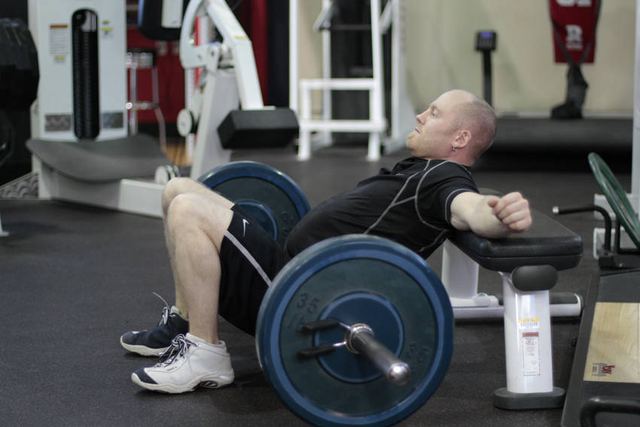
The 12 Best Glute Exercises for Women (Home & Gym) + Sample Workouts
The most effective glute exercises for women, explained: hip thrusts, RDLs, split squats, abduction and more, plus how to program them for stronger, rounder glutes.
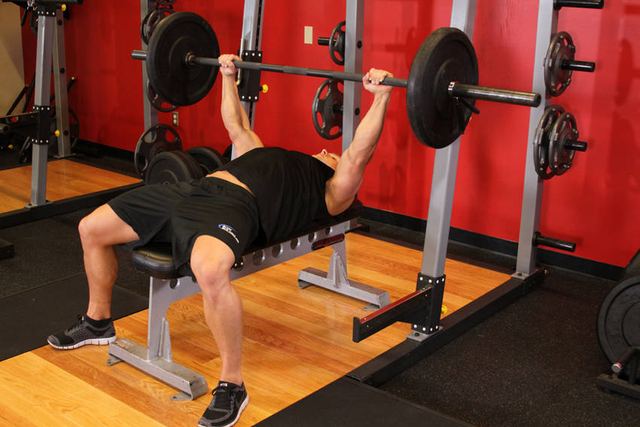
How to Build Muscle: The Complete Beginner's Guide (2026)
Everything a beginner needs to build muscle: training volume, reps, progressive overload, protein, calories, sleep and a simple first program.